nutrition labeling, explained properly
Everything we know about FDA nutrition labeling — written from the regulation, with worked examples, honest comparisons and zero filler. The same rules these guides document are what the Nutrillius generator implements.
Cornerstone guide
how to make a nutrition facts label
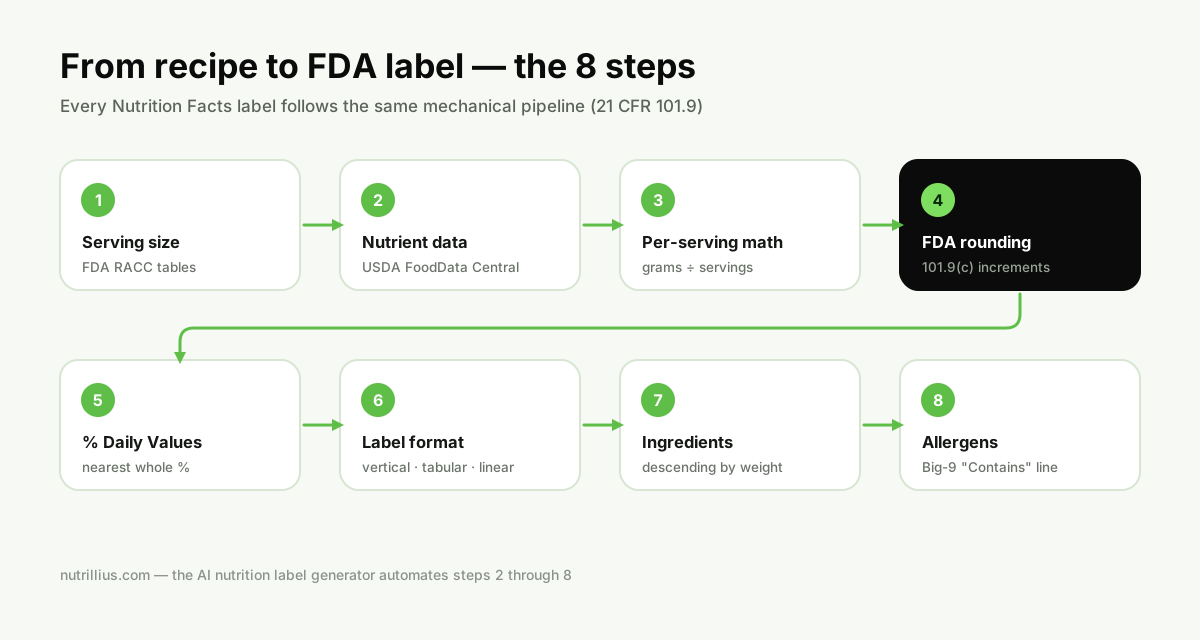
The full eight-step FDA process, written from the regulation: serving sizes (RACC), USDA nutrient data, per-serving math, 21 CFR 101.9 rounding, %DV, formats, the ingredient statement, allergens — plus the 7 mistakes that get labels rejected.
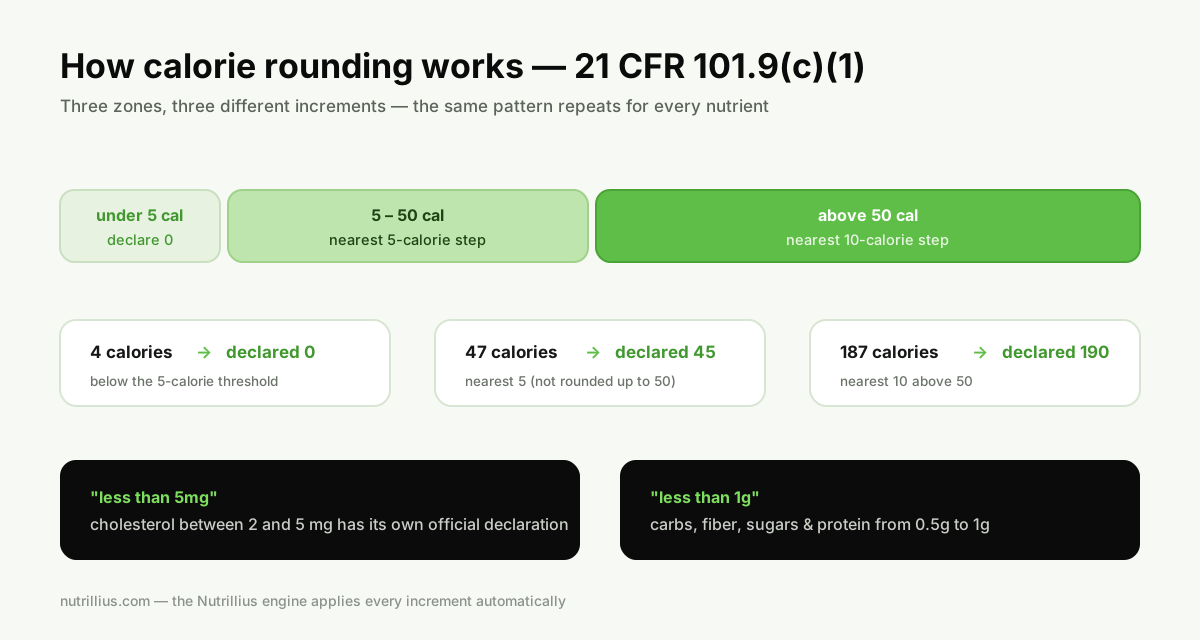
FDA rounding rules — the complete tables
Every increment from 21 CFR 101.9(c) with worked examples — including the official “less than 5mg” and “less than 1g” declarations.
Read →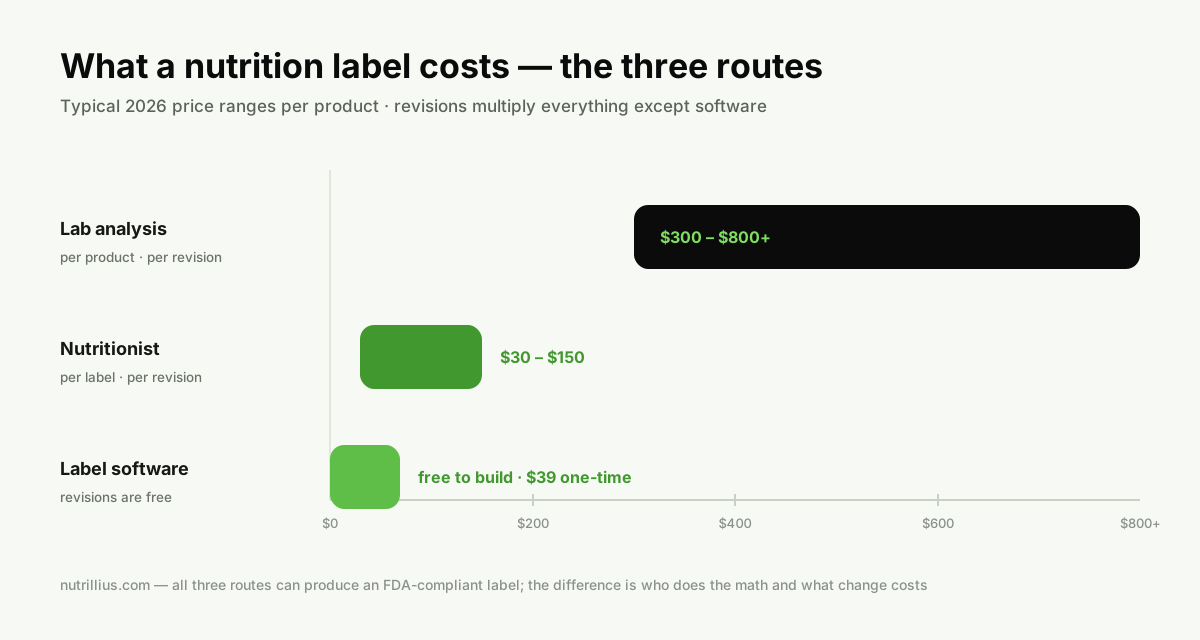
How much does a nutrition label cost?
The full cited price ladder nobody else publishes: labs $1,609–1,724, consultants $240–840, university extensions $100–195, software from $39 — and the revision costs that decide it.
Read →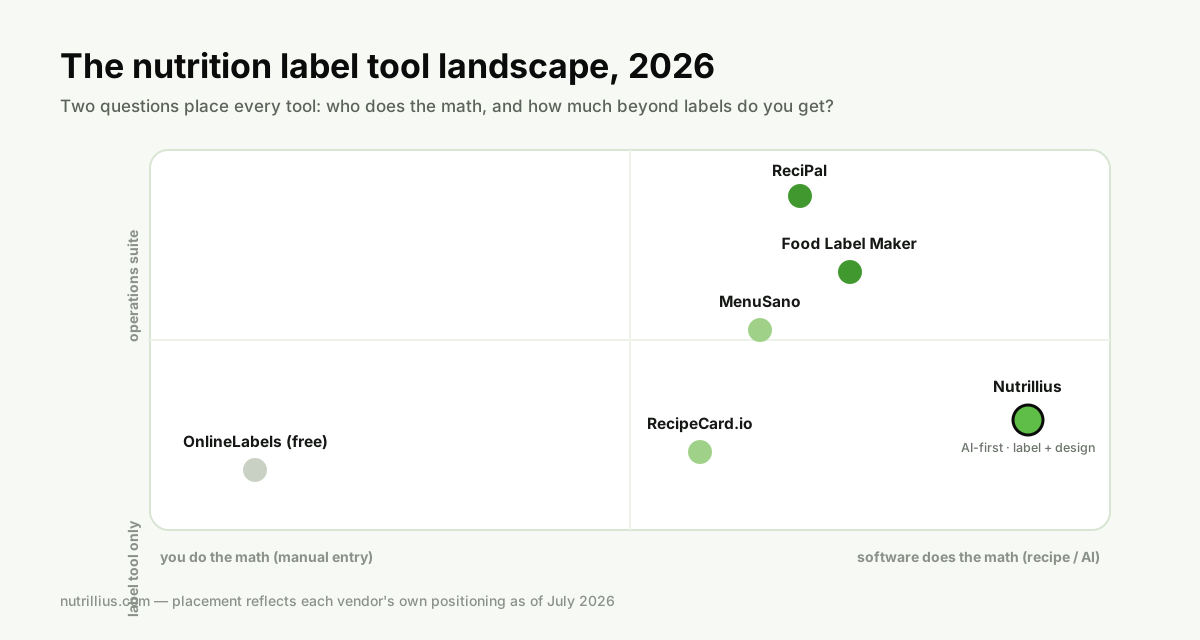
The 6 best nutrition label generators
Nutrillius, ReciPal, Food Label Maker, MenuSano, RecipeCard.io and the free tools — compared honestly, with a stated methodology.
Read →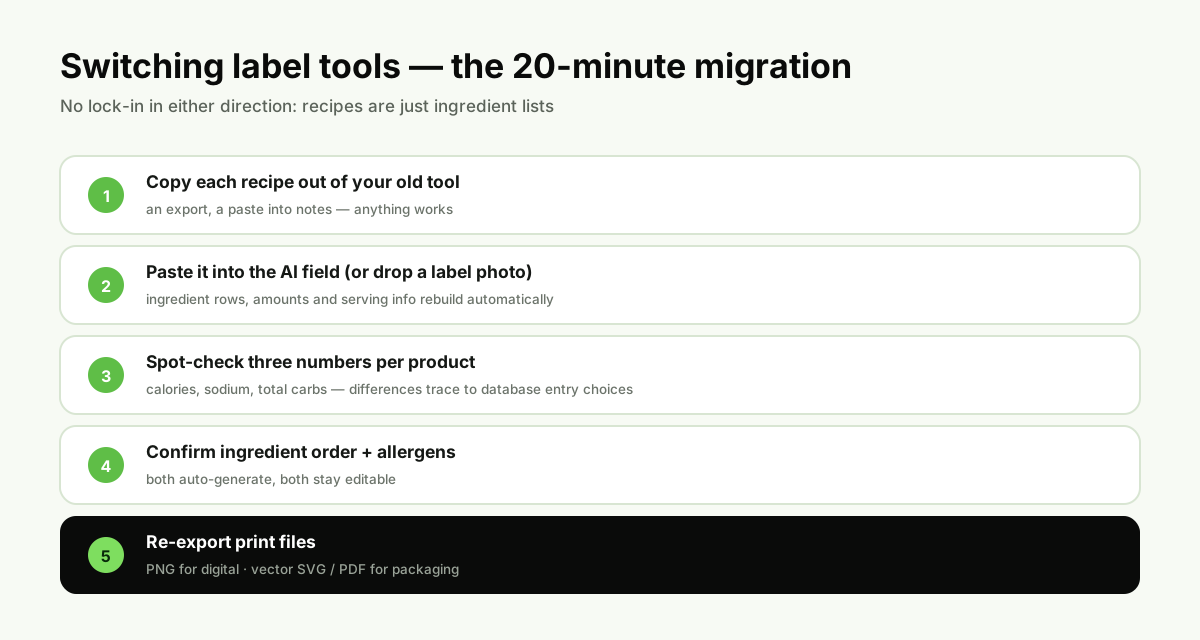
Nutrillius vs recipal, honestly
A straight head-to-head with the decade-old incumbent — including where ReciPal still wins, and a 20-minute migration checklist.
Read →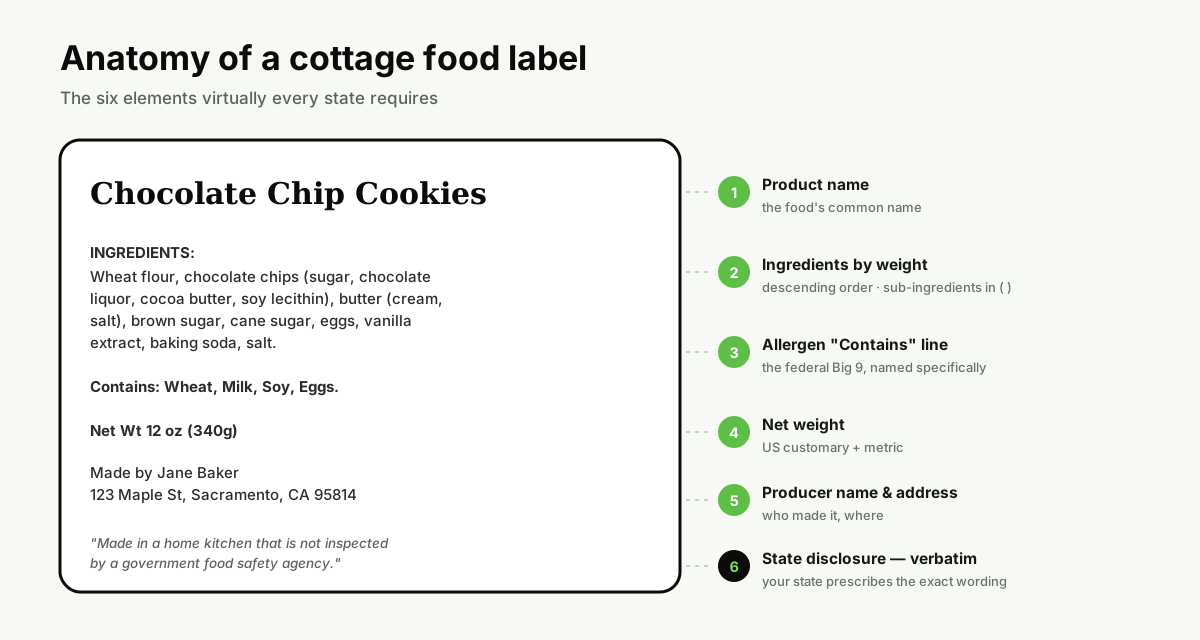
Cottage food labels: what's required
The six required elements, the Big-9 allergen rules you can't skip, a complete example label, and when Nutrition Facts are optional.
Read →skip to the tool
done reading? build the label.
Everything in these guides — RACC serving sizes, 21 CFR 101.9 rounding, %DV, ingredient statements, allergens — runs automatically in the generator. Free to build, no account.
Create Label Now →Compliance, costs & selling channels
Do I need a nutrition facts label?
A straight answer by business type — cottage bakers, farmers markets, wholesale, Amazon — plus the small-business exemption and how to claim it.
read →Do you have to send your food to a lab?
No. What 21 CFR 101.9(g) actually says, why database analysis is FDA-accepted, and the honest list of cases where a lab really is the right call.
read →Cottage food label requirements, by state
15 states and counting: the exact label each state requires, the verbatim statutory disclaimer to copy, sales caps, and when a panel kicks in.
read →Amazon suppressed your food listing?
It's probably your nutrition panel. The documented suppression triggers, the fix for each, and why patching the listing instead of the label escalates.
read →“high protein” just voided your FDA exemption
One phrase on the bag — or in an Instagram caption — and the small-business exemption is gone. How nutrient content claims work and what they trigger.
read →Why your Canva nutrition label isn't FDA compliant
Hand-built panels fail on format, type sizes, rounding and %DV — the specific requirements a design tool can't check, and what to do instead.
read →Can you say “healthy” on your food label?
The updated definition is final: food-group minimums plus caps on added sugars, sodium and saturated fat, with compliance due February 2028.
read →FDA front-of-package labeling: what's actually true
Still a proposed rule — no deadline. A date-stamped status page for the “Nutrition Info” box, updated as the FDA moves.
read →The 13 most common food label mistakes
Each with the CFR rule it breaks and the fix — from wrong serving sizes to bad %DV rounding — plus what enforcement actually looks like.
read →Serving size isn't your choice: RACC explained
Your serving size comes from the RACC table in 21 CFR 101.12. How to find yours, convert it to your product, and when it triggers dual columns.
read →When you need a dual-column label
Required at 200–300% of the RACC. Worked examples across pack sizes, the exemptions, and why it suppresses Amazon listings.
read →How to write a Contains statement
The 9 major allergens, the two legal declaration formats, why “tree nuts” alone fails, and what FDA actually says about “may contain.”
read →Added sugars: how to calculate the line
Honey and syrups, juice concentrates, fermentation losses, sweeteners — and the rounding rules that finish the job.
read →The FDA small business exemption, filed right
The FTE math, what counts as a unit, FDA Form 3570, and the annual filing FDA will never remind you about.
read →Supplement Facts panel requirements
Every 21 CFR 101.36 requirement, verified: serving size, proprietary blends, the dagger footnote, other ingredients, botanicals.
read →Supplement Facts or Nutrition Facts?
The legal test that decides it — genuinely contested for protein powders, gummies, greens and functional drinks.
read →Structure/function claims, done legally
The exact FDA disclaimer wording, the 30-day notification, placement and type-size rules, and the disease-claim line you can't cross.
read →How to label a supplement for Amazon
Amazon's cGMP verification requirement, the panel rules, claims enforcement, and a pre-launch checklist.
read →Guides are written from the primary sources (21 CFR 101.9, FALCPA / FASTER Act, FDA guidance) and reviewed against the Nutrillius compliance engine. Found an error? Tell us.